
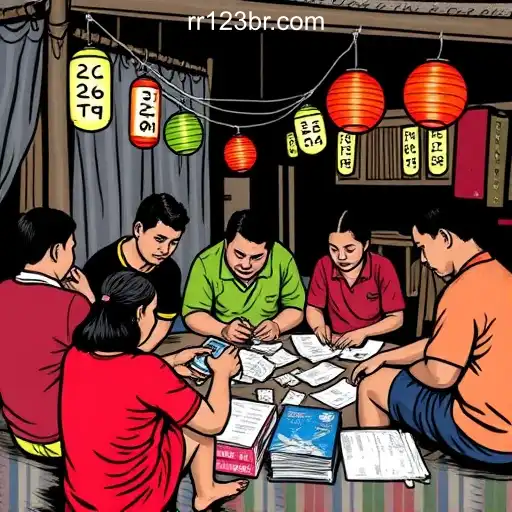
Understanding Jueteng and Its Social Impact
The Origins of Jueteng
The game of Jueteng has roots deep within Philippine culture, serving as both a pastime and a source of controversy for many generations. Jueteng is a numbers game similar to lottery that originated from China and was introduced to the Philippines during the Spanish colonial period. Over the years, it has evolved from a local neighborhood game to a widespread illegal activity in the country. Despite its illegal status, Jueteng is widely popular, thriving mainly due to the social and economic conditions in various regions.
How Jueteng Works
Jueteng involves betting on a number combination, usually based on personal or sometimes mystical relevance to the bettor. The game is typically run by a cabal composed of collectors, coordinators, and financiers who work together to operate the game seamlessly. Financiers control the capital and logistics; coordinators manage the collectors and bettors while ensuring everyone gets their due share; collectors actively gather bets and issue tickets to players. The numbers are drawn twice a day, and winners receive hefty payouts, incentivizing continued play.
The Mechanics of Jueteng
In Jueteng, participants choose a combination of numbers, typically between 1 and 37. Once the bets are placed, the combination is recorded on a piece of paper, commonly known as a papelito. The winning numbers are determined through secret draws using labeled balls or a particular method that varies by region. The game's simplicity and the quick turnaround for results make Jueteng an alluring form of gambling for countless individuals.
The Socioeconomic Influence of Jueteng
Jueteng acts as a double-edged sword within Filipino communities, acting as both a means of minute economic empowerment and a source of moral and legal dilemmas. Many people turn to Jueteng because it promises an easy escape from poverty through potential winnings with minimal initial investment.
The Community Dynamics
In communities where formal employment opportunities are scarce, Jueteng serves as an underhanded form of social welfare. Some families rely on small, speculative winnings as supplemental income, despite the inherent risk. Moreover, Jueteng's intricate network provides employment, albeit illegal, to numerous individuals as collectors or coordinators. However, its perpetuation continually undermines the rule of law and fosters a culture of gambling dependency.
Jueteng's Political Intricacies
Jueteng exerts significant influence within local and national political spheres in the Philippines. The game's extensive network often involves collusion or unspoken agreements with local officials or law enforcers who either turn a blind eye or actively safeguard its operations for personal gain.
Corruption and Collusion
The reciprocal benefits between the Jueteng network and local authorities create a cycle of corruption. Politicians may tap into Jueteng financiers for campaign funds or mobilization efforts during elections, exchanging protective stances or regulatory leniency as compensation. Thus, Jueteng is not only a game but a political instrument that fortifies power dynamics and corruption within government structures.
Possible Future Developments
The battle against Jueteng presents a formidable challenge to policymakers and law enforcement agencies. Despite numerous crackdowns and interventions over the years, Jueteng consistently resurfaces due to its entrenched role in Philippine society. A prospective solution entails addressing the root causes of poverty that drive communities to engage in Jueteng.
Legalization Debate
One prominent approach debated over the years is the potential legalization and formalization of Jueteng into a regulated framework. Proponents argue that legalization could transform Jueteng into a legitimate source of tax revenue and create new regulatory oversight avenues to diminish illicit operations. However, opponents caution that legalization could further entrench gambling habits and ethical issues among Filipinos.
Contemporary Alternatives
The infiltration of online gambling and slot games into the Philippine market has shifted some attention away from traditional Jueteng. Platforms such as "RR123.com platform-online Slots Brasil #1" offer enticing online gambling experiences that adhere to international standards, attracting tech-savvy gamblers seeking diverse options.
These platforms present an alternative playground for former Jueteng enthusiasts while mitigating some risks associated with physical gambling dens. However, the rise of online gambling also presents new challenges in terms of regulation and addiction issues.
Conclusion
Ultimately, Jueteng's persistence highlights structural and cultural dilemmas that are neither easily nor swiftly resolved. Addressing these issues requires a multi-faceted approach involving legal reform, economic support, and communal awareness to gradually dismantle the labyrinthine operation that Jueteng has become. With time, new paradigms such as online platforms may provide additional insights or alternatives within the evolving landscape of gambling in the Philippines.